



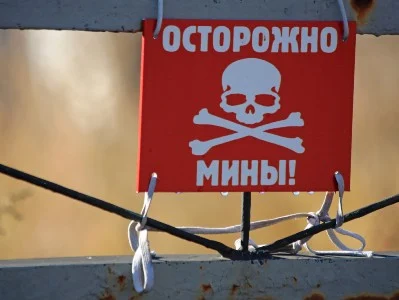
The Lithuanian Ministry of Defence has announced a major defence initiative: over the next decade, the country will spend €1.1 billion to strengthen its eastern border with Russia and Belarus. A key part of this sum – around €800 million – will be spent on purchasing and installing anti-tank mines. The ministry explains these measures by growing concerns about the possible threat from Russia, especially if it succeeds in its war against Ukraine. Lithuania, which borders Russia’s Kaliningrad region and north-west Belarus, does not rule out a scenario in which the Baltic states – Lithuania, Latvia and Estonia – could become the next target.
According to the ministry, the future investments are intended to “block and slow down” potential aggression. In addition to minefields, the active development of the “Baltic Line of Defence” system – a regional fortified line – is planned. The package also includes increasing stockpiles of anti-tank weapons, upgrading electronic warfare and counter-drone systems, and improving early warning systems.
In January, Lithuania announced plans to increase its defense budget to 5-6% of GDP per year between 2026 and 2030. Particular attention is being paid to protecting the so-called Suwalki Corridor, a strategic land section connecting Lithuania with Poland. NATO estimates that the potential seizure of this corridor could isolate the Baltic states from the rest of the alliance. In April, it became known that Lithuania planned to build a second supply route for the transfer of troops and weapons from Poland in order to secure the Suwalki Corridor.
In addition, Lithuania intends to use natural and engineering solutions: the planned measures include deepening irrigation canals that can function as trenches, restoring forests in border areas, and planting trees along roads to provide shelter for civilians and army columns.
This year, Lithuania, Latvia, Estonia, Finland, and Poland announced their withdrawal from the Ottawa Convention, which bans the production, stockpiling, and use of anti-personnel mines. This step has drawn sharp criticism from international humanitarian organizations, including Amnesty International and the International Committee of the Red Cross. Human rights activists warn that a return to the use of anti-personnel mines threatens numerous civilian casualties and long-term humanitarian consequences.