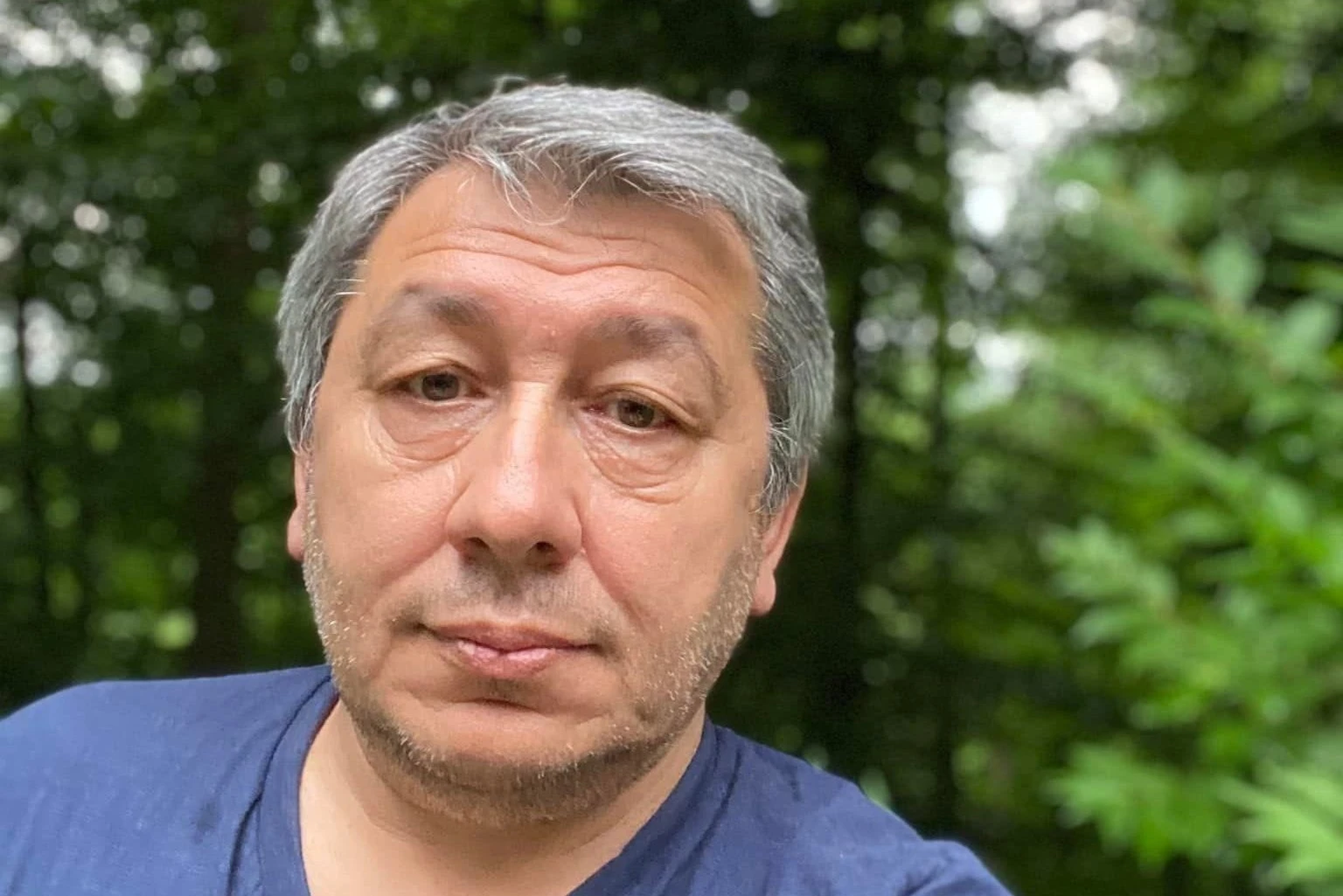
Azerbaijani historian, expert of the Baku Research Institute, Altai Goyushovn X, criticized the EU Special Representative for the South Caucasus and the crisis in Georgia, Magdalena Grono, for using the wording "Eastern Zangezur" on the X social network. to kill. According to Gyuushov, that term was not used in Azerbaijani history to refer to that part of the country until 2020, when, as the historian claims, it began to be used by the President of Azerbaijan, Ilham Aliyev, after the 44-day war. "In the history of Azerbaijan, no one called that part of Azerbaijan "Eastern Zangezur". The term was put into circulation by Aliyev immediately after the 2020 war," Gyuushov said. The historian believes that the very appearance of such a marking calls into question Baku's statements about striving for peace. According to him, if "Eastern Zangezur" exists, then logically the concept of "Western Zangezur" also arises, under which the current territory of Armenia is assumed. Goyushov also stated that in the textbooks of Azerbaijani history, the whole of Zangezur is represented as "sacred Azerbaijani land". In his opinion, European diplomats cannot be unaware of this context, but continue to use and thereby support such rhetoric. "After this, how can one believe that such a Europe really wants peace in our region," said the researcher. Gyuushov compared the approaches of Russia and the EU towards the South Caucasus, noting that he sees "little difference" between them, and in both cases he sees the desire to divide the region, maintain hostility and, in his words, "imperialism". Striving for a "reconciliation policy". At the same time, the historian emphasized that the use of Aliyev's rhetoric by European representatives does not necessarily mean supporting Azerbaijan as a party to the conflict. In his opinion, European countries can support the opposite position just as easily in the future, and the consequences of such political decisions will in all cases first of all affect the residents of the region.
Opinion
No one called this part of Azerbaijan "Eastern Zangezur". The Azerbaijani historian criticized Magdalena Grono
Source: KARTSIQ