



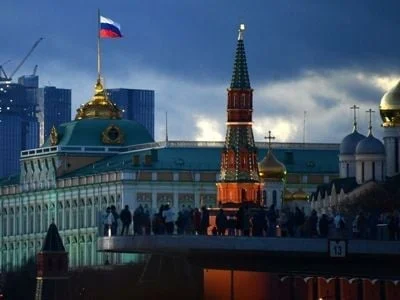
Current events in Georgia are reminiscent of what happened on Maidan Nezalezhnosti in Kyiv in 2013, said the press secretary of the Russian president Dmitry Peskov, noting that Moscow is not interfering in these processes in any way. “There is an attempt to destabilize the situation. We have seen similar events in a number of countries. The most direct parallel that can be drawn is the events of Maidan in Ukraine. All the signs of an attempt to carry out an orange revolution,” the press secretary said.
He emphasized that everything that is happening in Georgia is the country’s internal affair. According to Peskov, the Georgian authorities are making efforts to stabilize and “return to calm.”
When asked about the alleged participation of Russian citizens in the protests, in particular about their detentions for attacking representatives of Georgian law enforcement agencies, the press secretary of the president replied: “We have no information about who these people are.” He specified that the Russian mission in Georgia will provide contacts and clarify the circumstances of the case in order to understand what charges have been brought against them.
Mass protests in Georgia began in late October after the ruling Georgian Dream party won the parliamentary elections. The results of the vote caused discontent among some of the population, who suspected falsifications. In late November, discontent intensified after Prime Minister Irakli Kobakhidze announced that negotiations with the European Union on the country’s European integration would be postponed until 2028. A wave of rallies swept Tbilisi, Batumi, Kutaisi and other cities. During the protests, clashes with the police occurred, which used harsh measures. Georgian President Salome Zurabishvili expressed support for the protesters, called the parliament illegitimate and refused to leave her post.
Amid the protests, five Georgian ambassadors abroad resigned. More than 135 diplomats signed a statement condemning the authorities’ decision to postpone negotiations on European integration. Criticism also came from employees of the National Bank, the Ministry of Education, the Tbilisi City Hall and the Constitutional Court.
On December 2, Lithuania, Latvia and Estonia announced sanctions against Georgian authorities, including billionaire and former Prime Minister Bidzina Ivanishvili. Estonia’s Foreign Ministry said the restrictions were aimed at “the leadership of the self-proclaimed Georgian government” and were intended to serve as an example for the EU and the US.