



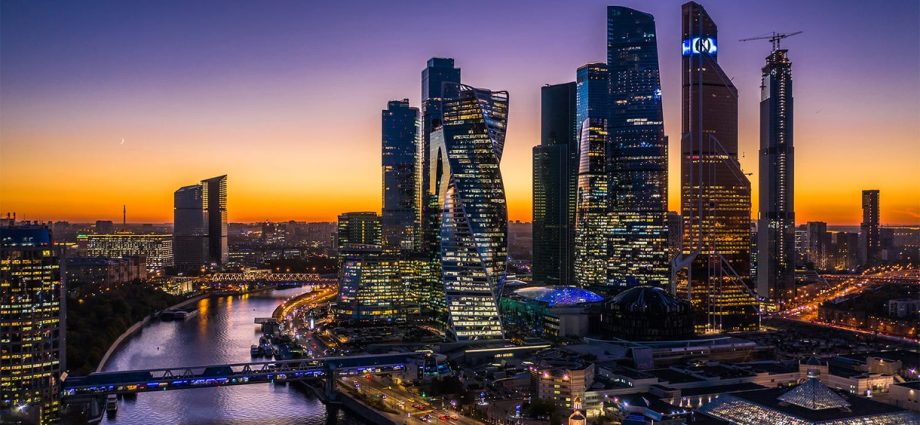
Former Syrian President Bashar al-Assad, who lost power after Syrian rebels captured Damascus and fled to Russia, may settle in the elite Moscow City district of the Russian capital, where his relatives own real estate, Bild writes.
According to the Financial Times, Assad’s relatives purchased at least 19 luxury apartments in Moscow City between 2013 and 2019, worth at least $40 million. According to the documents, 13 properties are owned by Assad’s cousin Hafiz Makhlouf or companies controlled by him. Another two apartments were purchased by the wife of another cousin, Rami Makhlouf.
Four apartments are registered to Assad’s cousins, Ihab and Iyad Makhlouf. Assad’s cousin Makhloub also bought a three-room apartment a few minutes’ drive from the Moscow business center. To purchase expensive real estate in the Russian capital, the relatives of the former Syrian president used offshore companies.
The Assad family has long had close ties with Russia. His eldest son Hafez al-Assad completed his postgraduate studies and defended his PhD thesis at Moscow State University (MSU) in early December. He thanked the university’s rector, Viktor Sadovnichy, for his assistance in this.
Bashar al-Assad resigned as president and left Syria on December 8, when Syrian rebels approached the republic’s capital Damascus without encountering any resistance, and then took control of it. Russia granted him asylum “for humanitarian reasons.” The Russian Foreign Ministry issued a statement noting that Assad had decided to leave the presidency after negotiations with the rebels and had left the country, “giving instructions to transfer power peacefully.” At the same time, the opposition that took power announced a $10 million reward for the head of the former Syrian president.
Assad is 59 years old. He has been president since 2000, succeeding his father Hafez al-Assad in a no-contest referendum. According to the Washington Post, in the weeks before the rebel offensive that began on November 27, he was offered to cut off supplies to the Lebanese group Hezbollah, rein in Kurdish forces, and return some Syrian refugees from Turkey in exchange for lifting US sanctions and improving relations with Ankara. But Assad refused.