



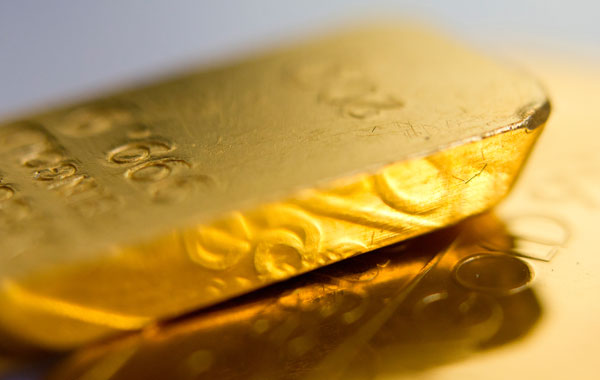
This year, the head of the Czech Republic’s central bank flew to London to take a look at the growing stack of gold bars stored in concrete vaults at the Bank of England. Ales Michl’s mission to inspect the precious metal stored at the Czech National Bank was part of his stated ambition to double the country’s reserves to 100 metric tons over the next three years. They have increased fivefold since he took office in 2022, Bloomberg reports.
Michl’s colleagues from Warsaw to Belgrade are also joining the gold rush to diversify investments and bet on future price gains, making Eastern Europe one of the largest buyers of the metal and helping to drive up gold prices, the media emphasizes.
Central banks around the world are adding to their gold arsenals as a hedge against external shocks, such as potential trade wars caused by a second Donald Trump presidency and geopolitical tensions in Ukraine and the Middle East. But Eastern Europe’s monetary policymakers have been particularly ostentatious in replenishing their gold reserves.
“Serbian authorities have moved their gold reserves stored abroad home to keep them safe in Belgrade and to cut storage costs. The desire for a sense of security is an important motivator in a region that has been devastated by European wars in the past and is now on the brink of the continent’s deadliest conflict since World War II,” Bloomberg writes.
Serbian central bank governor Jorgovanka Tabakovic has tripled her gold reserves to 48 tons since taking office in 2012.
She says the accumulation has been done in close cooperation with President Aleksandar Vucic, who has provided “strategic thinking, global geopolitical insight and information” to support the gold purchases.
Poland, which borders Ukraine and is a staunch supporter of Kyiv’s war aims, became the world’s largest buyer of gold in the second quarter, according to the latest data from the World Gold Council. Poland’s central bank governor, Adam Glapinski, has said that foreign reserves are crucial to protecting the economy from catastrophic events.
As of September, he had increased his gold bullion holdings to about 420 tonnes, roughly half the holdings of India or Japan, the agency notes.
The Prague-based central bank boasts about $150 billion in foreign exchange reserves, accounting for nearly half of gross domestic product and one of the world’s largest by volume.
Czech central bank governor Ales Michl, whose diversification plan includes buying U.S. stocks, has faced some criticism for buying gold as it has hit a market record this year. Monetary officials insist that long-term purchases will be gradual, reducing the impact of price volatility. With geopolitical winds picking up, buying gold has become a good bet for monetary policymakers.
Goldman Sachs Group has included the metal in its list of key commodities for 2025, saying prices could continue to rise during a Trump presidency and reach $3,000 an ounce by December next year.