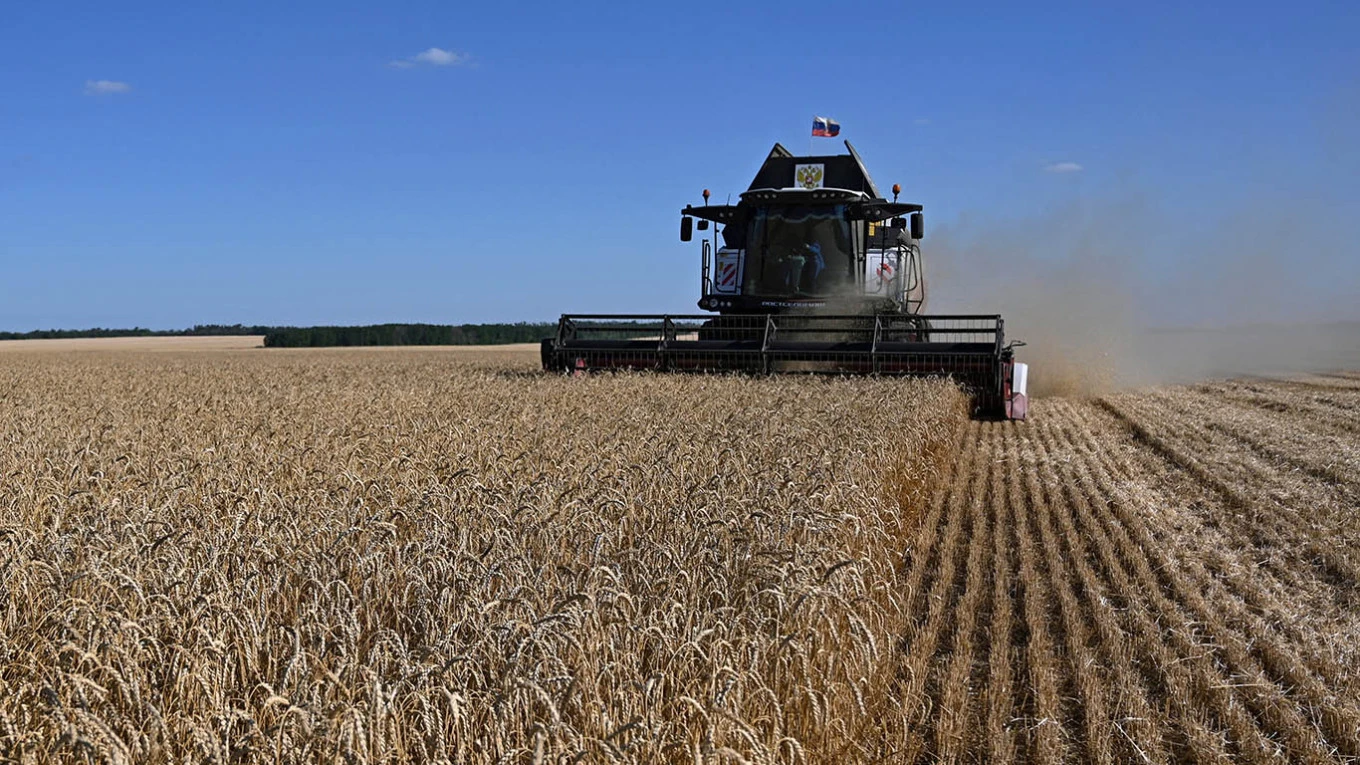
Russia's largest agricultural region, the Krasnodar Territory, which produces one-tenth of the entire grain crop, 14 percent of beets and more than a third of grapes and apples, is declaring a state of emergency, it said on Thursday. The government came. "Due to massive targeting of logistics infrastructures, suspension of ports and disruption of shipping in the Azov-Black Sea basin, rural producers of the Krasnodar region have been deprived of the opportunity to sell large volumes of agricultural products. "from drought, which has led to the oversaturation of the domestic grain market", "Interfax" quotes from the decision of Governor Veniamin Kondratev. The document states that the created situation can lead to deterioration of people's living conditions and great material losses. This year, Kuban farmers planned to harvest 13.6 million tons of grain, 17 percent more than last year. However, in August, they were deprived of the opportunity to export crops after drone strikes shut down all major grain ports on the Black Sea. A month before that, as a result of the attacks of the armed forces of Ukraine, the terminals of the Sea of Azov stopped functioning, and the authorities had to temporarily suspend shipping through the Kerch Strait. As a result, Rostov marz, the former leader in grain harvesting, declared a state of emergency. Paralysis of the work of the southern ports, which export 60 million tons of grain annually, has led to a sharp decline in Russian grain exports. According to the estimates of "SovEcon", in September it reached the lowest indicator of the last 17 years (only 1.8 million tons). According to the calculations of the Russian Grain Union, the export of wheat was reduced four times, making 347 thousand tons per week. Russian authorities are trying to find alternative routes by adapting the export terminals of the Baltic Sea ports for grain, and even exported 40 thousand tons of grain to the North for the first time in history. by the frozen ocean. However, the proposed alternatives provide only 10 percent of the previous volumes exported through Taman and Novorossiysk. this is mentioned in the application of the Rostov farmers to the Governor Yuri Slyusar. They warn about "cash box cracks" and bankruptcies that threaten rural producers and ask for support from the authorities in the form of preferential loans with subsidized interest rates from the state budget. Due to the lack of funds, about a quarter of the farmers have decided to abandon the plans for autumn sowing, and another third are going to reduce the sowing areas. According to SovEcon's assessment, as of September 18, the pace of autumn sowing was the lowest since 2013, making 6.1 million hectares. "Against the background of Black Sea export restrictions, farmers are facing serious financial difficulties," reports Andrey Sizov, general director of "SovEcon". "Since June, domestic wheat prices have decreased by about 40 percent and now by 20-30 percent." "are below the level of self-consumption, so rural producers are forced to reduce the sowing of autumn wheat."
Economy
A state of emergency has been introduced in the second largest agricultural region of Russia due to the impossibility of selling grain
Source: KARTSIQ