



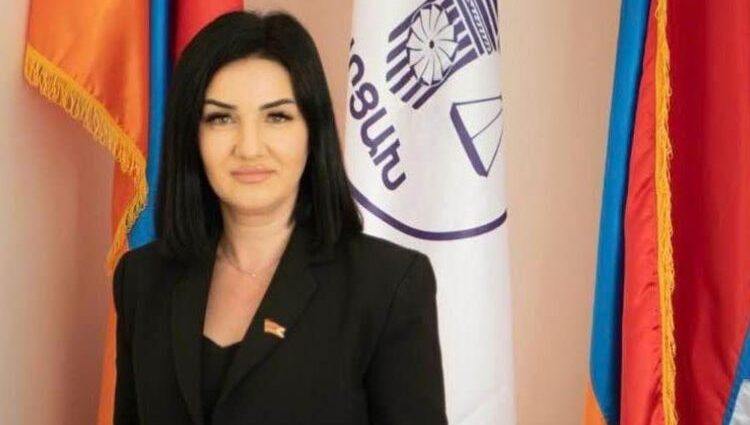
During an interview with Artsakh National Assembly MP Metaxa Hakobyan about housing programs for IDPs from Nagorno-Karabakh, as well as Armenian Prime Minister Nikol Pashinyan’s assessment of their work, he first touched on Pashinyan’s recent meetings, noting that the authorities are presenting them as election campaign events, when in reality, they serve a different purpose.
“We’ve already held four meetings, and the fifth is coming soon. They’re taking place in different regions for direct contact with the residents of Artsakh. This is necessary to understand the problems these people face and what changes have occurred since their displacement. The reality isn’t in social media, but in conversations with individuals,” he noted.
According to him, these meetings have made it clear that the main concerns of the residents of Artsakh are the same: housing, social services, citizenship, and the right to return.
Hakobyan also criticized one of the government-organized meetings, calling it a “staged performance.”
“The people present at this meeting do not represent the broader community of Artsakh residents. The real position of Artsakh residents is formed at our meetings, where people speak openly and honestly about their problems,” he said.
Speaking about the housing program, Hakobyan noted that increasing the minimum housing requirement from 3 million drams to 4 million not only failed to solve the problem but, in some cases, even exacerbated it.
“In Vagharshapat, for example, apartment prices have risen disproportionately, and as a result, acquiring an apartment has become more difficult than before,” he emphasized.
Referring to the number of Artsakh residents who have received Armenian citizenship, Hakobyan noted that this process is primarily driven by employment needs.
“Among the more than 30,000 people who have received citizenship, there are also minors.” Many people received citizenship for work or, for example, to enlist in the military. However, there are very few beneficiaries of the housing program,” he said.
Hakobyan expressed confidence that social programs cannot influence the political choices of Artsakh residents.
“If there is a belief that it is possible to bring Artsakh residents to the polls through social assistance or money and win their votes, this is the wrong approach. Solving social problems is the state’s responsibility, not election bribery,” he noted, adding, “All our meetings show that these authorities cannot be accepted by the residents of Artsakh. And the idea that the residents of Artsakh can support them is not true,” Hakobyan said.
The Artsakh MP also emphasized that the forcibly displaced resident of Artsakh closed the door of his home for the sake of dignity and cannot do anything that could overshadow this choice. “If anyone attempts to hold these authorities accountable, it would mean, as the residents of Artsakh themselves say, a rejection of their own memory, history, and values,” concluded Metaxe Hakobyan.