Aurora, a company that develops unmanned driving technologies, expects to put more than 30,000 unmanned trucks on the road by the end of 2030 and receive about $5 billion in annual revenue from it. At first glance, the goal seems almost fantastic. the company plans to end 2026 with just 200 driverless trucks and about $80 million in annual revenue. David Madey, Aurora's chief financial officer, thinks the scale of the plan is deceptive. According to him, 30 thousand cars is a huge number for the autonomous vehicle market, but it remains small compared to the overall truck market. The four largest truck manufacturers produce approximately 250,000-300,000 new vehicles each year. Therefore, Aurora expects not to produce tens of thousands of trucks on its own, but to gradually saturate the already existing market with unmanned systems. "I don't think this is just an ambitious goal. I think we can do it,” Madey told TechCrunch. The main breakthrough should happen already in 2027 Aurora now uses a model it calls transportation-as-a-service. Company: It owns, operates and transports unmanned trucks for clients including Detmar Logistics, Hirschbach, McLane and Werner. Aurora charges about $2 per mile for transportation, including a fuel surcharge. However, the company sees the presented scheme as a unique stage of proving the technology's viability. Aurora plans to limit such a fleet to about 500 trucks. The business must then move to a different model: driver-as-a-servic e (driver as a service). In this case, the customer buys the drone himself and continues to own and operate it. Aurora provides the self-driving technology and charges a fee for its use of about $0.85 per mile. I know. Moreover, Aurora retains responsibility for the autonomous control system itself and the equipment installed for it. This is a fundamental difference for the company. If Aurora were to purchase and maintain tens of thousands of trucks on its own, scaling would require enormous amounts of capital. If the vehicles are owned by the carriers, Aurora will be able to grow the fleet of autonomous systems without incurring the equity value of the trucks. Weighing. 200 trucks should turn into a thousand According to the company's plan, there will be around 200 unmanned trucks on the roads by the end of 2026. A year later, Aurora expects to surpass the 1,000-vehicle mark. The company expects that approx As soon as the first half of 2027, it will be able to break even at the gross margin level at current operating rates of about 500 trucks. This means that the revenue from transportation must begin to cover the cost of the vehicles Direct operating costs. Then the economics of the project should change even more. Mass production of the hardware should make drone trucks cheaper The next important stage is scheduled for the end of 2027. Aurora is going to � Move to third-generation equipment—sensors, computers, and other components necessary for a truck to drive autonomously. Unlike current equipment, it is planned to be mass-produced. Aurora's partner Aumovio, formerly known as Continental, will handle production. The company will not only design and manufacture the hardware kit, but also finance it for Aurora. This reduces the burden on the autonomous system developer financial burden. In addition, Aumovio will handle the maintenance and repair of installed sets for Aurora customers. Thus, the company is trying to solve two problems of scaling at the same time: reduce the cost of equipment and own Don't tie up capital to the purchase of trucks. By 2030, Aurora wants to cover most of the continental United States Today, Aurora's work is limited to a few states in the southern United States. However, the company expects to gradually expand the geography. By 2030, Aurora's unmanned trucks should be operating across most of the continental United States, according to Madey. Just the scaling of the park, the equipment A combination of cost reductions and a shift to a customer-owned truck model should allow the company to go from hundreds of vehicles to tens of thousands. Moreover, investors will not show much confidence yet against the forecast. After Aurora's presentation to analysts and investors on September 23, the company's shares continued to fall. They closed at $5.29 on Monday, losing 12.42% on the day. For Aurora, this means that the market is still evaluating not only the potential size of the future business, but also whether the company will actually be able to make it through several generations. From the unmanned truck to the road of 30 thousand. And then Aurora will go back to robotaxis Shipping isn't the company's only long-term goal, however. By about 2028, Madey says, Aurora expects to � � achieve a substantially lower cost of autonomous technology. Only after that, according to him, the company will be able to move on to the next directions. In particular, Aurora is not abandoning plans to enter the market of robotaxis. For now, the company is betting on trucks, where driverless driving can be scaled through commercial transportation. But what if? � if the promised cost reductions do happen, the same technology base can be used for passenger transport as well. Thus, in the next four years, Aurora's plan is not to build 30,000 of its own cars Well, it's about creating a model where carriers buy the trucks and Aurora sells them autonomous driving as a service. If the company can implement this scheme on the announced scale, it will be 2027 And the first serious test for him. then it will become clear whether the business is capable of moving from a technology demonstration to a mass commercial launch.
International News
Aurora wants to put 30,000 unmanned trucks on the road by 2030
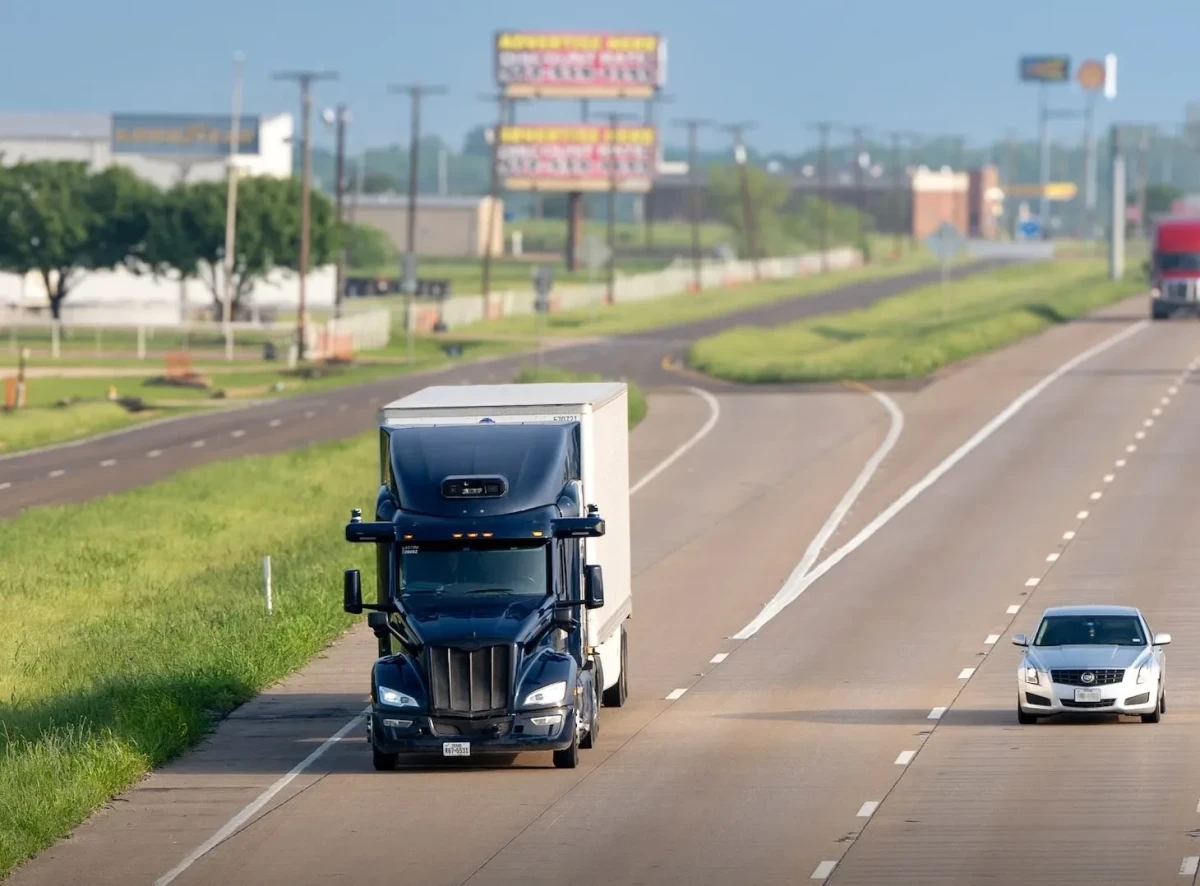
Source: KARTSIQ