The Israel Defense Forces (IDF) claims that in the conditions of growing tension around Iran, it is necessary to urgently increase the defense budget by 25 billion shekels (about 8 billion dollars). However, the results of the parliamentary elections held in the country on October 27 cast doubt on the quick approval of this demand. This is reported by the Ynet portal. According to Ynet, Israel's defense budget has reached a historical maximum. Before the war in 2023, defense spending was about 22.4-25.6 billion dollars. And the defense budget for 2026 has already reached 50.5 billion dollars. since March, it has been increased twice from the initially planned 35.5 billion dollars. According to the portal, a week before the elections, Israeli Prime Minister Benjamin Netanyahu met with Defense Minister Israel Katz and Finance Minister Bezalel Smotrich. They discussed the issue of allocating an additional 8 billion dollars for the needs of the defense department immediately after the October 27 vote. Ynet notes that TSAKHAL is currently operating on three fronts at the same time, maintaining security zones in Lebanon, Syria and the Gaza Strip. According to the portal, it costs 650 million dollars per week. In addition, Israel maintains high readiness for a possible military conflict with Iran, which, according to the portal, requires urgent purchases of weapons. According to Ynet, the main problem is to get the approval of the Knesset, the parliament, for the increase in defense spending. The participation in the parliamentary elections held on October 27 was 77.7% (the highest figure since 1999). After counting about 94.5% of the ballots, Netanyahu's party and its coalition allies together get 53 seats in the Knesset. The opposition party headed by Gadi Eisenkot's "Yashar" party can claim 48 seats, and the Arab parties - 19 seats. At least 61 mandates (out of 120 Knesset seats) are needed to form a stable coalition. It is expected that the Central Electoral Commission will announce the results of the vote counting on October 29, and the final official results of the elections should be published no later than November 4. After receiving those results, President Yitzhak Herzog will start consultations with the representatives of the parties that passed the Knesset, then he will instruct one of the deputies to form a new government coalition. As a rule, the candidate for the Prime Minister becomes the leader of the party with the most parliamentary mandates. However, the president can assign the formation of the cabinet to the politician whose party did not receive the most votes, but is able to form a coalition. The first contender for the post of Prime Minister will be given 28 days to form a government, with the possibility of extending the period by two weeks. In case of failure, the president will transfer that right to another deputy, who will be given two weeks without the possibility of extension. If a coalition with at least 61 parliamentary mandates is not formed in this case, extraordinary elections will be called after 90 days.
International News
Due to the situation around Iran, TSAKHAL demands to increase the expenses by 8 billion dollars.
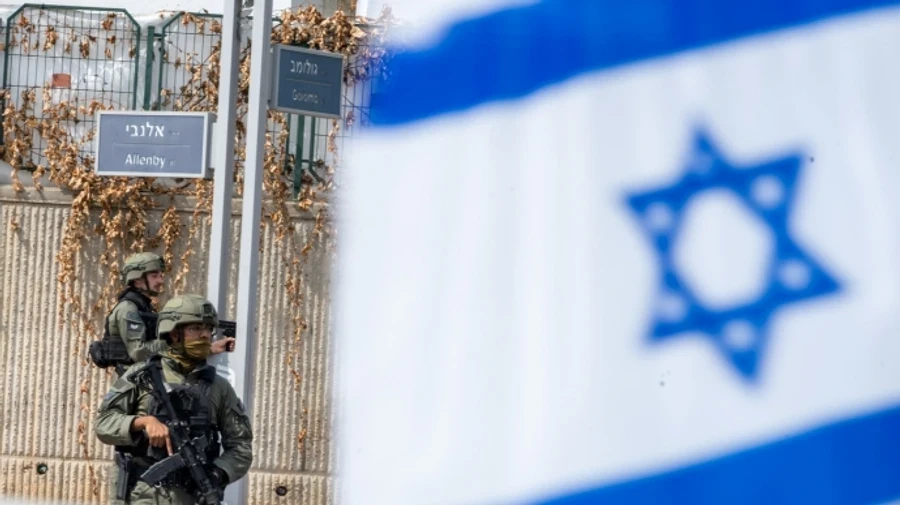
Source: KARTSIQ